 708-456-8844
Chiropractic Tools & Techniques Designed Around You
At Smith Chiropractic Health Care, we use a variety of chiropractic techniques and chiropractic tools to make sure your care is personalized, precise, and comfortable. There is no one-size-fits-all adjustment here. Every body is different and the method used should reflect your condition, your goals, and your comfort level.
Whether you prefer traditional hands-on chiropractic adjustment techniques or gentler instrument-assisted options, our focus is the same:
- restore motion
- reduce stress on the nervous system
- support long-term health, not just temporary symptom relief
If you’ve been curious but cautious about chiropractic, you’re in the right place.

Why the Right Chiropractic Technique Matters
A chiropractic technique is simply the method used to restore motion to restricted joints in the spine or extremities. When joints lose proper movement, surrounding muscles tighten, nerves can become irritated, and compensation patterns begin to develop. With time, that restriction can contribute to pain, stiffness, headaches, or even radiating symptoms like sciatica.
Different bodies respond differently. Some patients need a traditional manual adjustment. Others benefit from lower-force chiropractic adjustment tools. Disc irritation, joint degeneration, postural distortions, nerve sensitivity, and overall comfort level all influence which chiropractic techniques are most appropriate.
At Smith Chiropractic, our technique selection is never random. It is guided by your consultation, examination findings, posture analysis, and (when clinically appropriate) standing, weight-bearing digital X-rays. Most importantly, your comfort matters. Adjustments are adaptable, and you will never be forced into a technique that makes you uneasy.
The Chiropractic Techniques & Tools We Use
We offer multiple chiropractic techniques so your care can be tailored to you.
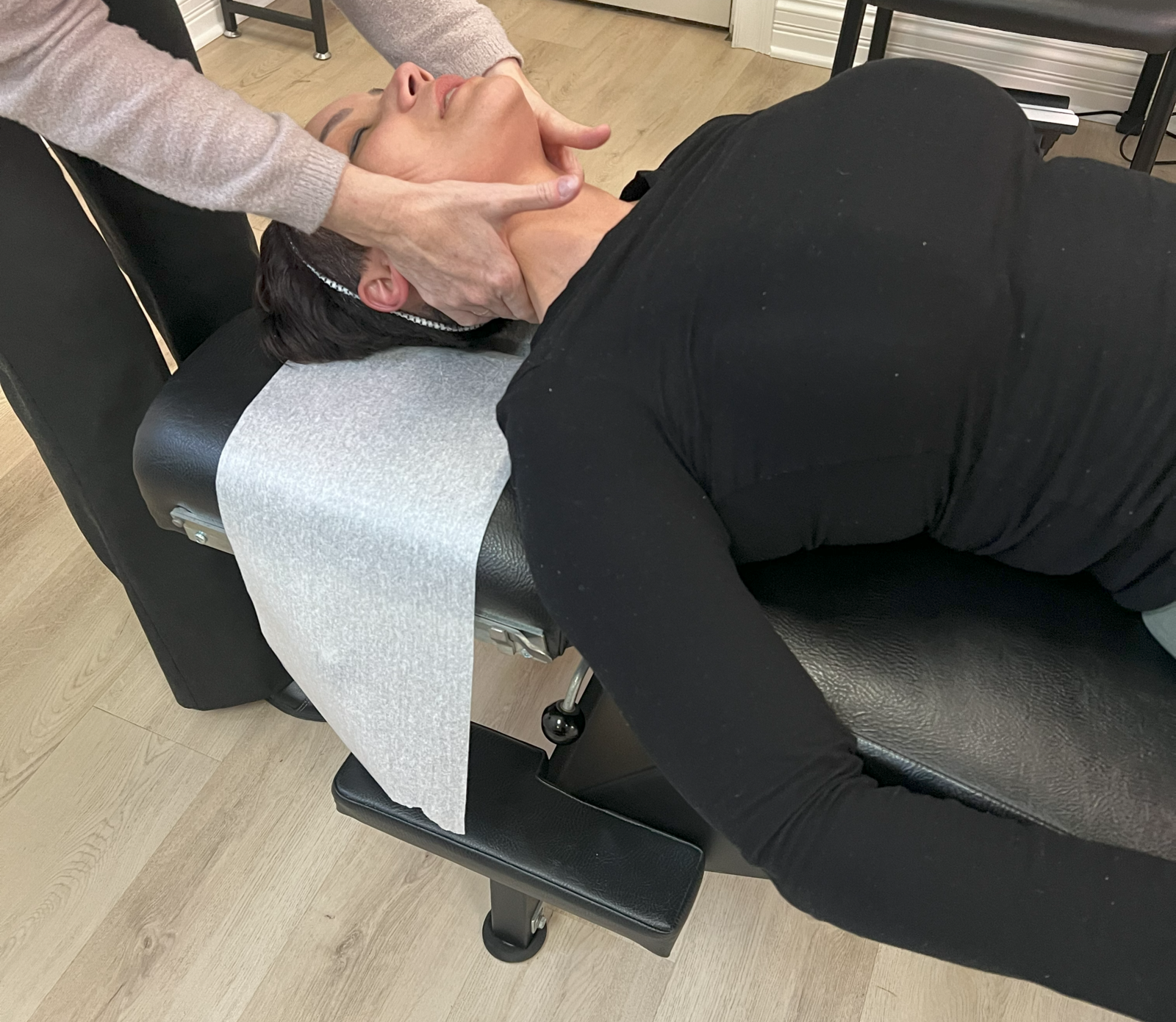
Hands-On Adjustments (Diversified Technique)
This is one of the most recognized chiropractic adjustment techniques. It involves a precise, controlled manual adjustment delivered to a specific joint to restore mobility.
You may hear a “popping” sound during some adjustments. This sound is simply the release of gas from the joint, not bones grinding or shifting violently. Not every adjustment produces a sound, though, and the sound itself is not what makes the technique effective.
Hands-on adjustments are commonly used for general:
- back pain
- neck pain
- headaches
- joint restriction
The pressure is controlled and specific. Patient comfort is always prioritized, and adjustments can be modified in force and positioning as needed.
Drop Table Technique (Thompson Technique)
The drop table is a specialized chiropractic tool built into the adjustment table itself. Sections of the table gently lift and then drop slightly during the adjustment.
This technique uses gravity and your own body weight to assist the correction, which reduces the amount of manual force required. It allows for precise targeting of specific spinal segments without any twisting or unnecessary movement.
The drop table technique is often helpful for:
- those with lower back stiffness
- patients who prefer gentler chiropractic techniques
- larger or very tight patients
- individuals sensitive to traditional manual adjustments
Many patients find this method to be extremely comfortable.
ArthroStim® Instrument-Assisted Adjustments
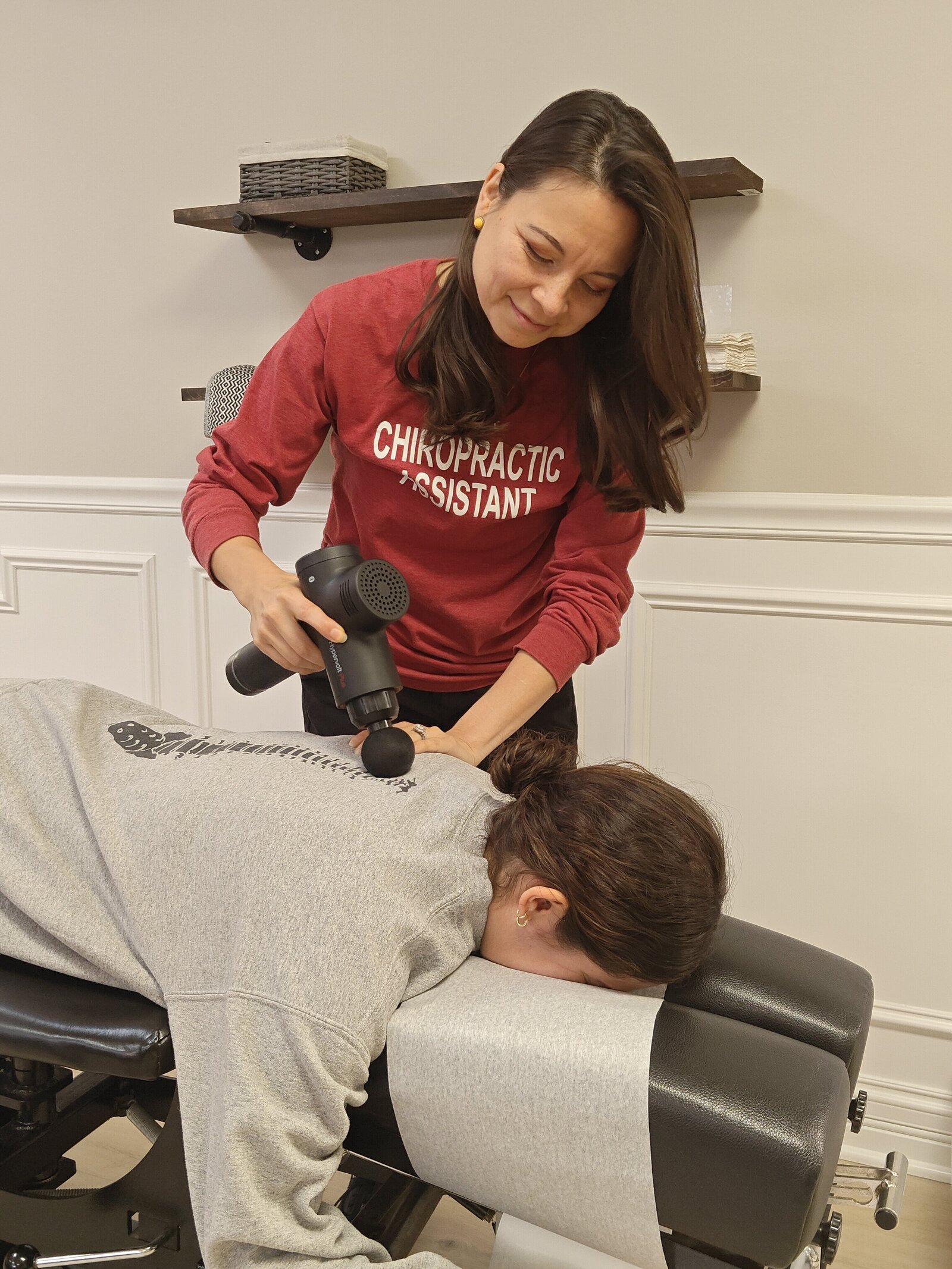
The ArthroStim® is a handheld chiropractic adjustment tool that delivers rapid, low-force impulses to a specific joint. It allows for very precise correction with minimal pressure.
This is an excellent option for patients who:
- dislike cracking or popping
- prefer low-force chiropractic adjustment tools
- have arthritis or joint sensitivity
- experience vertigo or nervous system sensitivity
- are children or seniors
- need extremity adjustments (shoulders, wrists, knees, ankles)
Instrument-assisted chiropractic techniques provide effective motion restoration without twisting or high force. Side effects are similar to or milder than traditional adjustments, with occasional mild soreness as the body adapts.
Flexion-Distraction Technique
Flexion-distraction is performed on a specialized table that gently moves the lower half of the body in a controlled, rhythmic motion. This movement opens and stretches the lower spine, helping to reduce disc and nerve pressure.
Unlike traditional manual adjustments, flexion-distraction involves no sudden thrusts or twisting. The motion is smooth, gentle, and therapeutic.
This technique is often used for:
- Sciatica
- herniated or bulging discs
- chronic lower back pain
- nerve irritation
Because it creates space in the spine, flexion-distraction can help calm inflamed discs and support natural healing.
How We Choose the Right Technique for You
Your care begins with a comprehensive consultation and examination. We evaluate your symptoms, range of motion, posture patterns, and overall spinal function. Digital posture analysis helps identify stress patterns, and standing, weight-bearing X-rays may be taken when clinically appropriate to better understand structural alignment.
On your first visit, we often perform a light adjustment to assess how your body responds. At your second visit, we review findings in detail and explain your recommended plan of care.
As your body improves, techniques may evolve. We reassess posture and function periodically to track progress and adjust your care plan accordingly.
This is not guesswork.
It is structured, personalized care.
Frequently Asked Questions About Chiropractic Tools and Techniques
Q: Are chiropractic techniques safe?
A: Yes. Adjustments are performed after thorough evaluation and screening. If red flags are present, we refer appropriately. Techniques can be modified to be extremely gentle.
Q: Do all chiropractic adjustments involve cracking?
A: No. Instrument-assisted and drop-table chiropractic techniques do not require twisting or loud popping. The sound is not necessary for effectiveness.
Q: Which chiropractic technique is best for chronic pain or sciatica?
A: It depends on the underlying cause. Disc-related issues respond to a manual adjustment and also can benefit from flexion-distraction, while joint restriction may respond well to manual or drop techniques. That’s why evaluation matters.
Q: Will I need adjustments forever?
A: No. Many patients begin with corrective care and later transition into maintenance or wellness visits. You are always in control of your care decisions.
Ready to Get Started?
Beginning care at Smith Chiropractic is structured, educational, and transparent. We explain what we find, review your options, and help you make informed decisions about your health. Our pricing is clear, and we collaborate with other healthcare providers when appropriate.
Whether you’re cautious about chiropractic or seeking a long-term solution for chronic discomfort, we will meet you where you are… comfortably and confidently.
Schedule your consultation today or call or text us at 708-456-8844 and let the healing begin.